Whether it’s Wordle, Connections or Strands, New York Times Games have taken members of the Chapman family by storm.
There are a variety of games, benefits and challenges that engage students and keep them coming back each day.
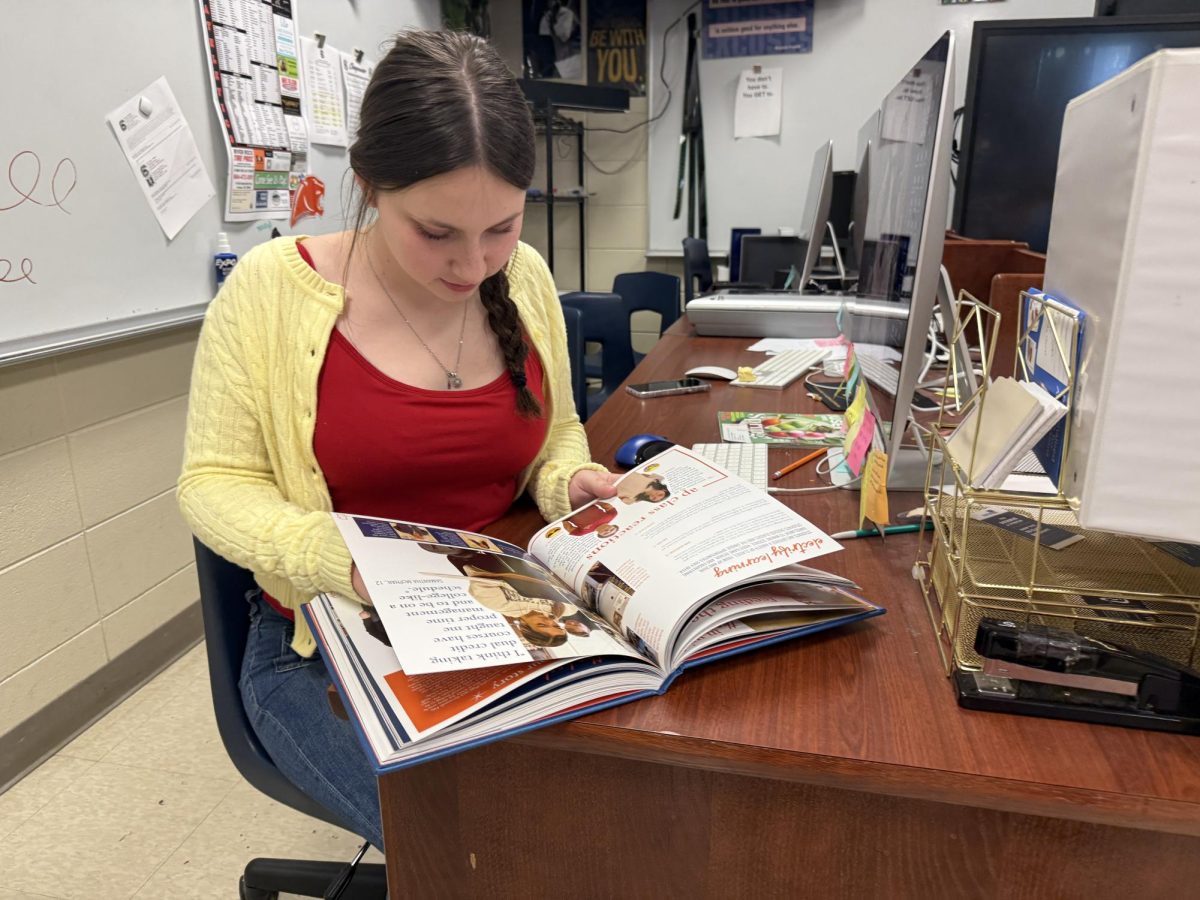
Junior Avah Blanton plays the games as a pastime with her peers.
“Me and Annastyn (Smith) play every day together, so I love playing with my friends,” Blanton said.
Individuals create memories while sharing these moments, and not just between students.
Teachers also form their own routines with these games.
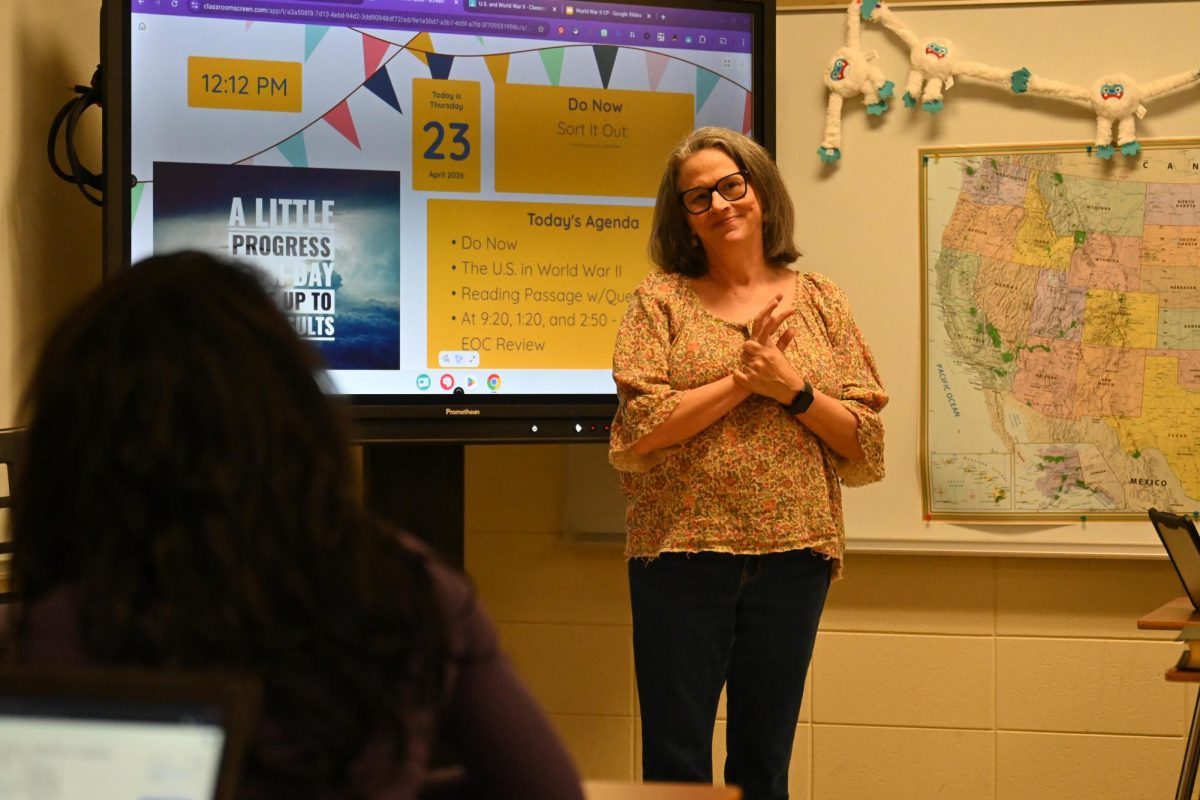
History teacher Fara Stewart plays every day and likes to challenge herself.
“I have some fond memories of watching and helping students with the games,” Stewart said. “I like giving hints to students, so I try to always do the games before school.”
There are also a variety of benefits from playing these games.
Junior Anastasiya Boychook has been playing for a couple years and has a unique perspective on those benefits.
“I learn new words because English is not my first language,” Boychook said. “I don’t know a lot of the words so I feel like I learn from (the games).”
Teachers may also see a different view.
“I think it is beneficial to play as an aging adult to try to keep my mind sharp,” Stewart said. “For me, it is just a fun activity. For students, I think it allows thinking skills that aren’t always fostered in standards based classrooms.”
When experimenting with these games, players often find a strategy or specific way they like to approach them.
For example, Stewart always starts Wordle with the word STARE and then moves to CHUNK.
Boychook always starts with BEACH.
Both said they choose these words because they contain a mix of common consonants and vowels.
“Everybody should play these games,” Boychook said. “It’s good for your brain.”